
Understanding The Wilson Reading System: A Structured Approach to Literacy Success
July 14, 2026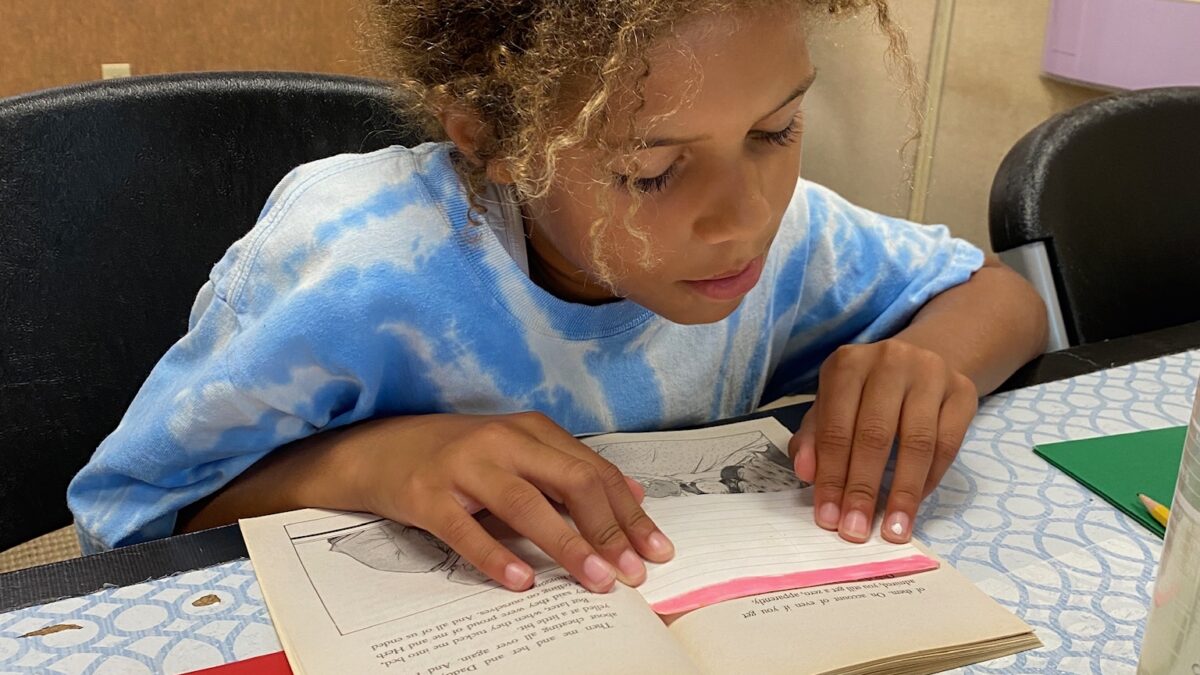
Reading comprehension is more than just getting through a page of text. It is the ability to understand, explain, and remember what has been read. At Bowie, we use an Active Reading Program that combines active reading and chunking to help students become more confident, more engaged, and more successful readers.
This approach is especially helpful for students who struggle with comprehension, fluency, attention, or writing. By teaching students how to break text into manageable parts and interact with what they are reading, we help them move beyond simply decoding words and begin truly understanding the story or passage.
What is Active Reading?
Active reading means reading with a purpose. Instead of passively moving through the text, students are encouraged to think about what they are reading, notice important details, and connect the material to what they already know. This process helps students understand the text more deeply and retain information longer.
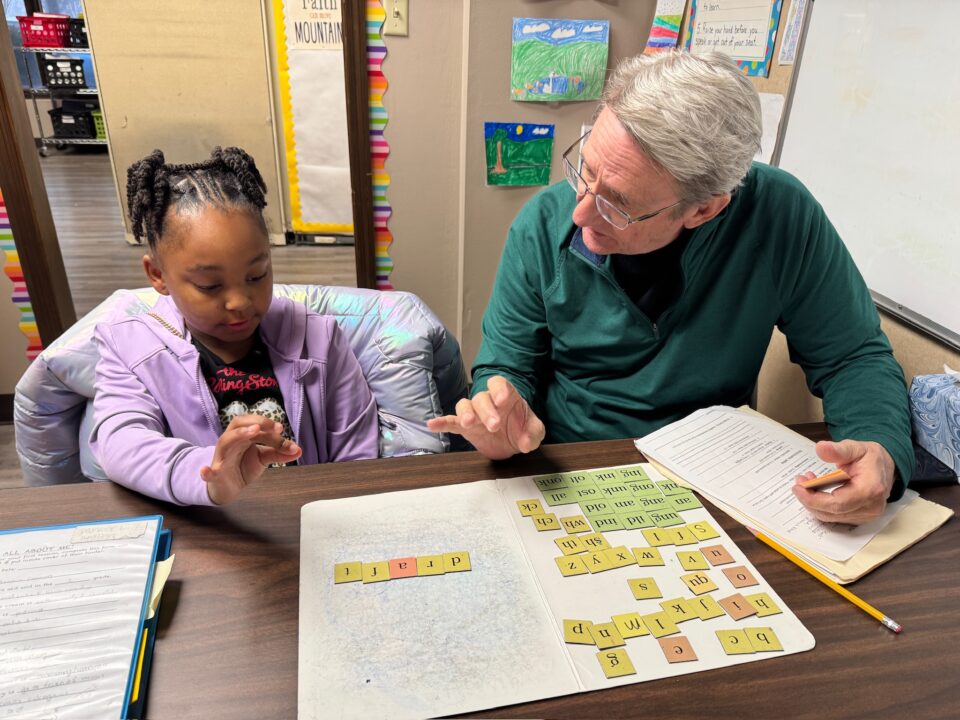
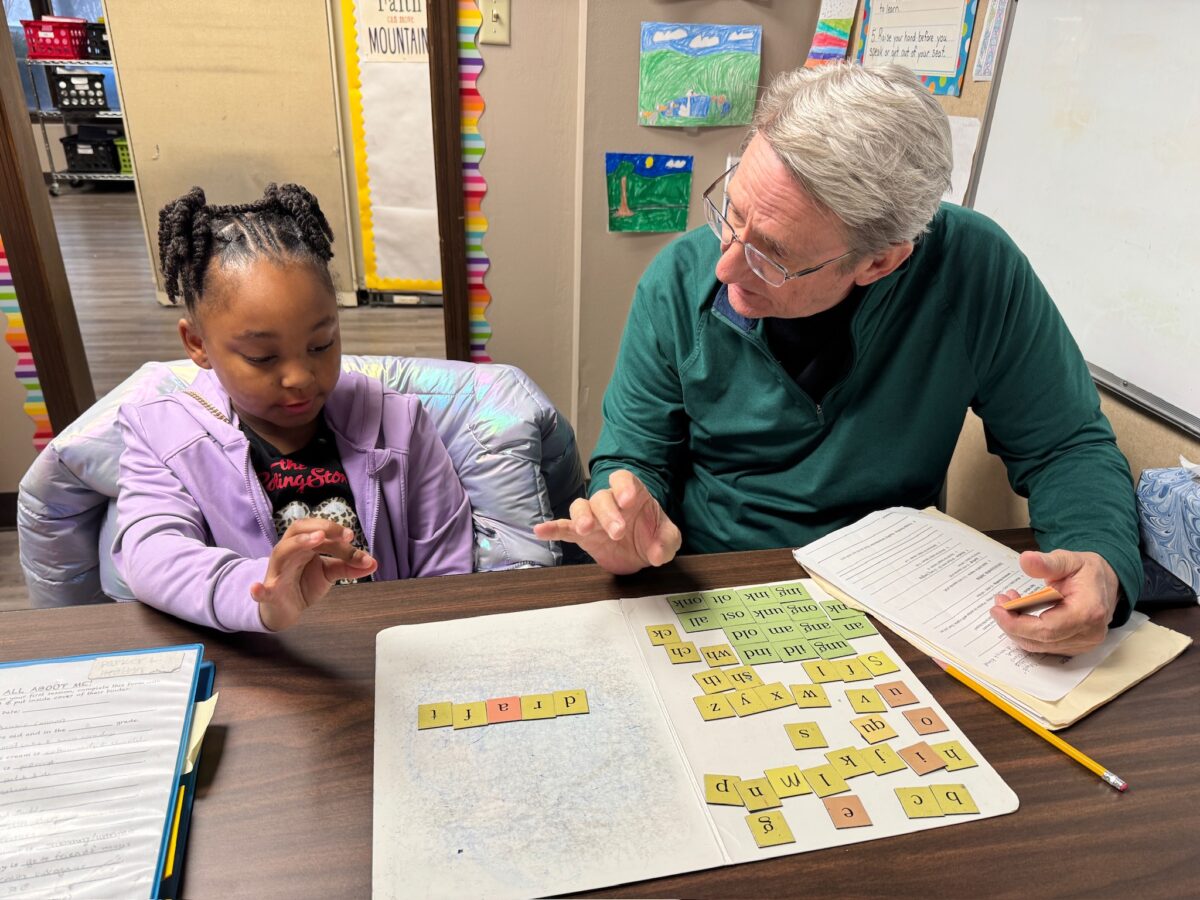
Many students who struggle with comprehension also struggle with confidence. They may feel embarrassed that reading is difficult, so one of the most important parts of this program is encouragement. Our tutors work to build trust and confidence while guiding students step by step through the reading process.
What is Chunking?
Chunking is a strategy that helps students break difficult text into smaller, more manageable pieces. A paragraph may be divided into phrases or sentences, while a longer passage may be divided into sections or key ideas. This makes reading feel less overwhelming and helps students focus on what matters most.
Chunking also supports paraphrasing, vocabulary development, and information retention. When students rewrite a section in their own words, they show that they understand the meaning of the text rather than just repeating the words on the page.
How We Use This Program
Our tutors use a variety of tools and strategies to support reading comprehension during sessions. Students may use a highlighted index card to help them focus on one line at a time, which is especially helpful for students who are easily distracted or overwhelmed by large blocks of text.
Students are also encouraged to:
- Circle unfamiliar words.
- Use context clues to figure out meanings.
- Look up new vocabulary words.
- Write synonyms directly in the text.
- Underline important people, places, and ideas.
- Mark their books and take notes as they read.
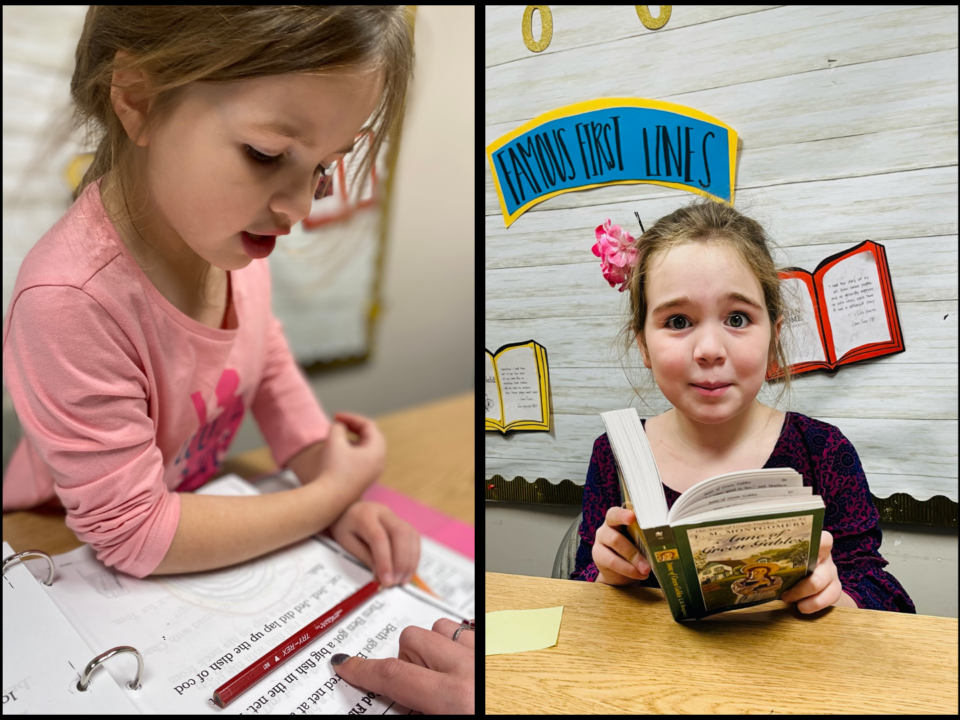
We also encourage students to read aloud during sessions. By taking turns reading with the tutor, students hear correct pronunciation, pacing, and expression. This not only improves fluency but also helps them better understand how reading should sound and flow.
Supporting Memory and Understanding
One of the most effective ways to improve comprehension is to help students visualize the story like a movie in their minds. This strategy is especially helpful for students who have difficulty remembering details or staying focused while reading. When students picture the story, they are more likely to remember characters, events, and important facts.
Tutors also keep session notes to review progress and revisit key details at the start of the next meeting. This review helps students strengthen memory and build on what they learned previously. Over time, students begin to recognize that reading is not just about finishing a page — it is about understanding and connecting ideas.
Writing and Reflection
Writing is a major part of reading comprehension. Many students who struggle with reading also need support with writing, so we use reading comprehension activities to reinforce both skills. Students are expected to write clearly and thoughtfully, rather than rushing through the assignment.
We also ask students to explain what they have learned in their own words. Teaching the material back to the tutor is a powerful way to check understanding and deepen learning. When students can explain a passage themselves, it shows real comprehension and growing independence.
Why These Skills Matter
Strong reading comprehension supports success in every subject. Students who understand what they read are better prepared for science, social studies, math word problems, and classroom discussions. Just as important, they gain confidence in their ability to learn.
Our goal is to help students become active, thoughtful readers who can approach text with confidence and skill. With consistent support, encouragement, and the right strategies, reading comprehension can improve in meaningful and lasting ways.